No mercy
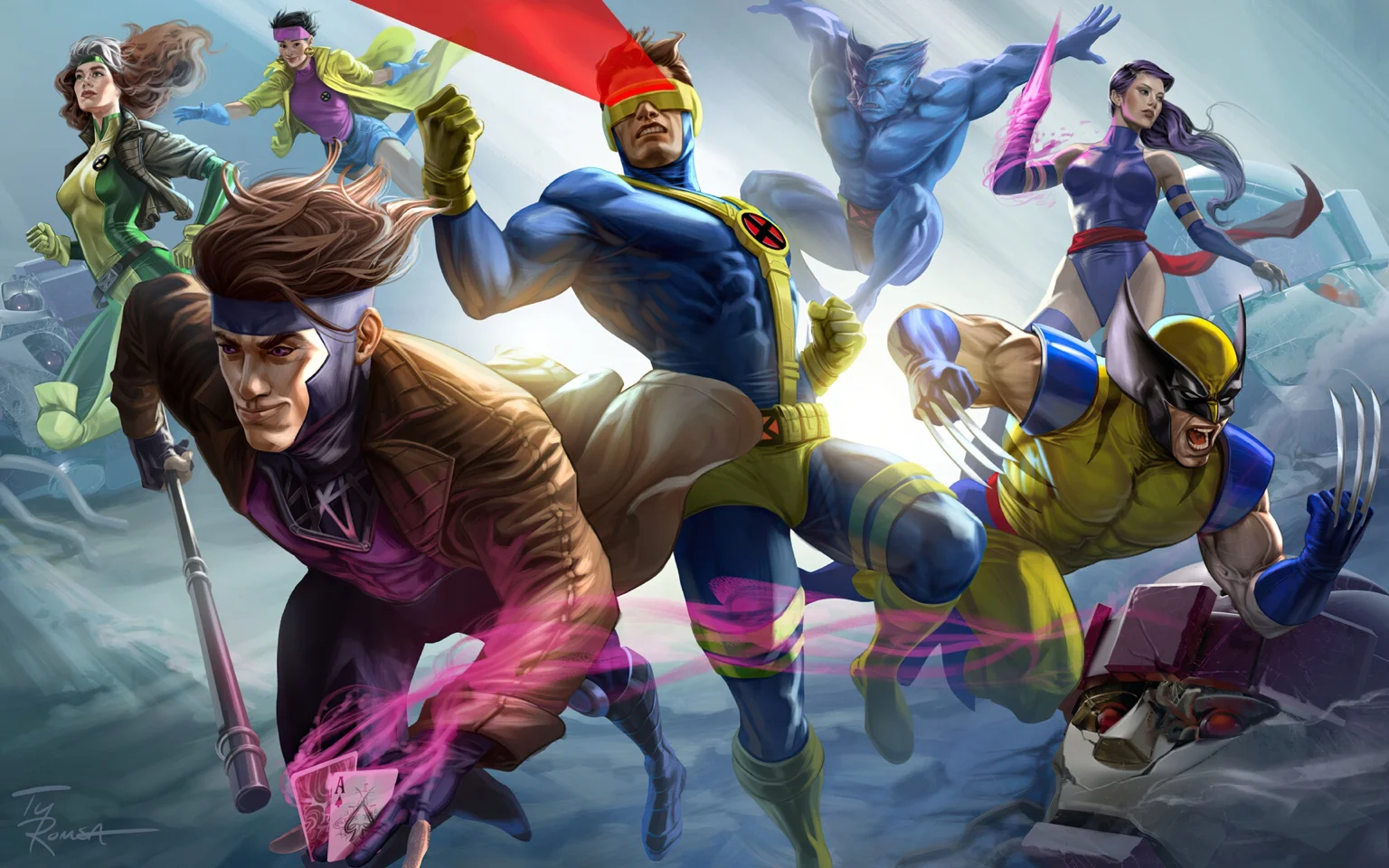
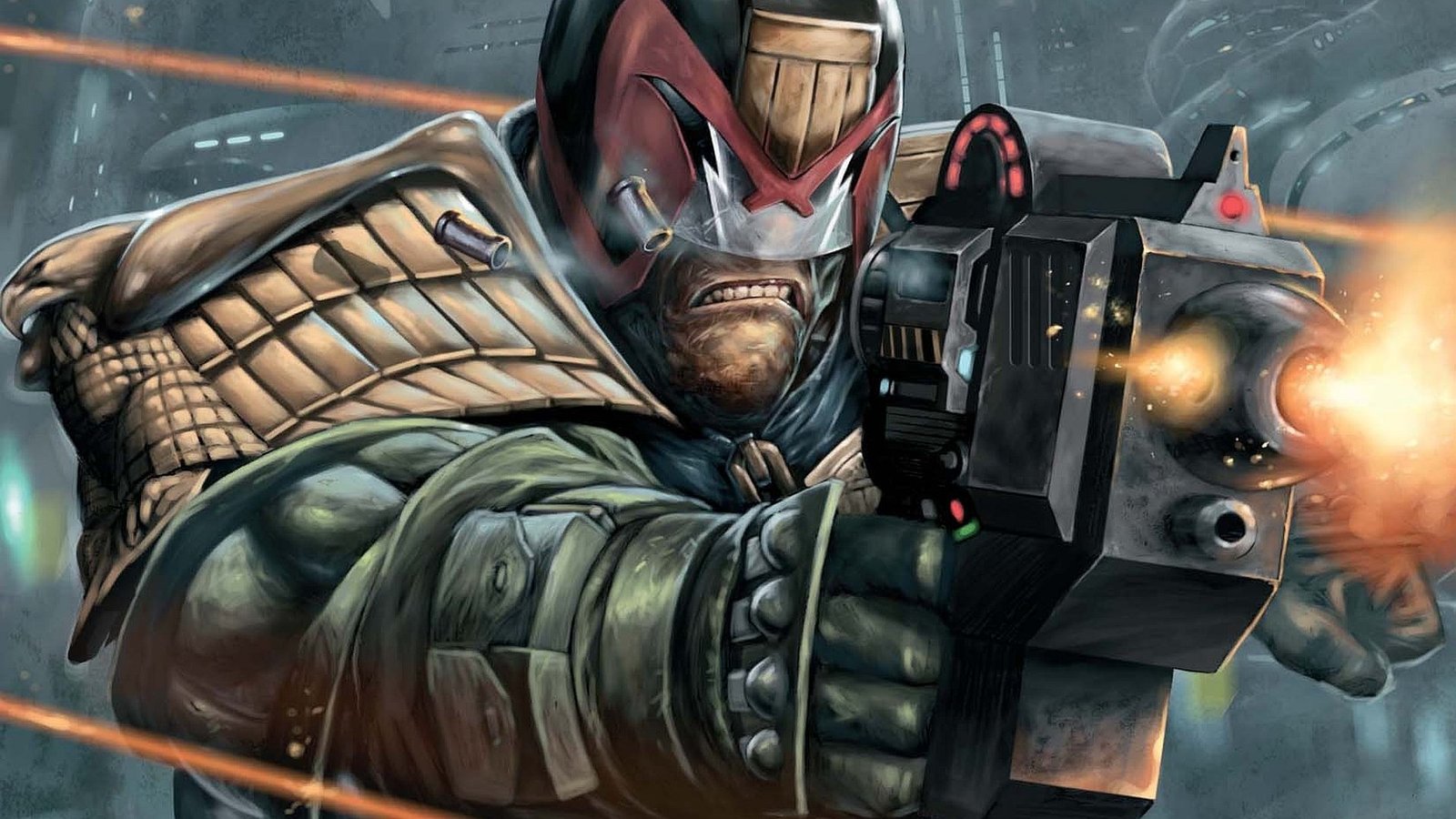
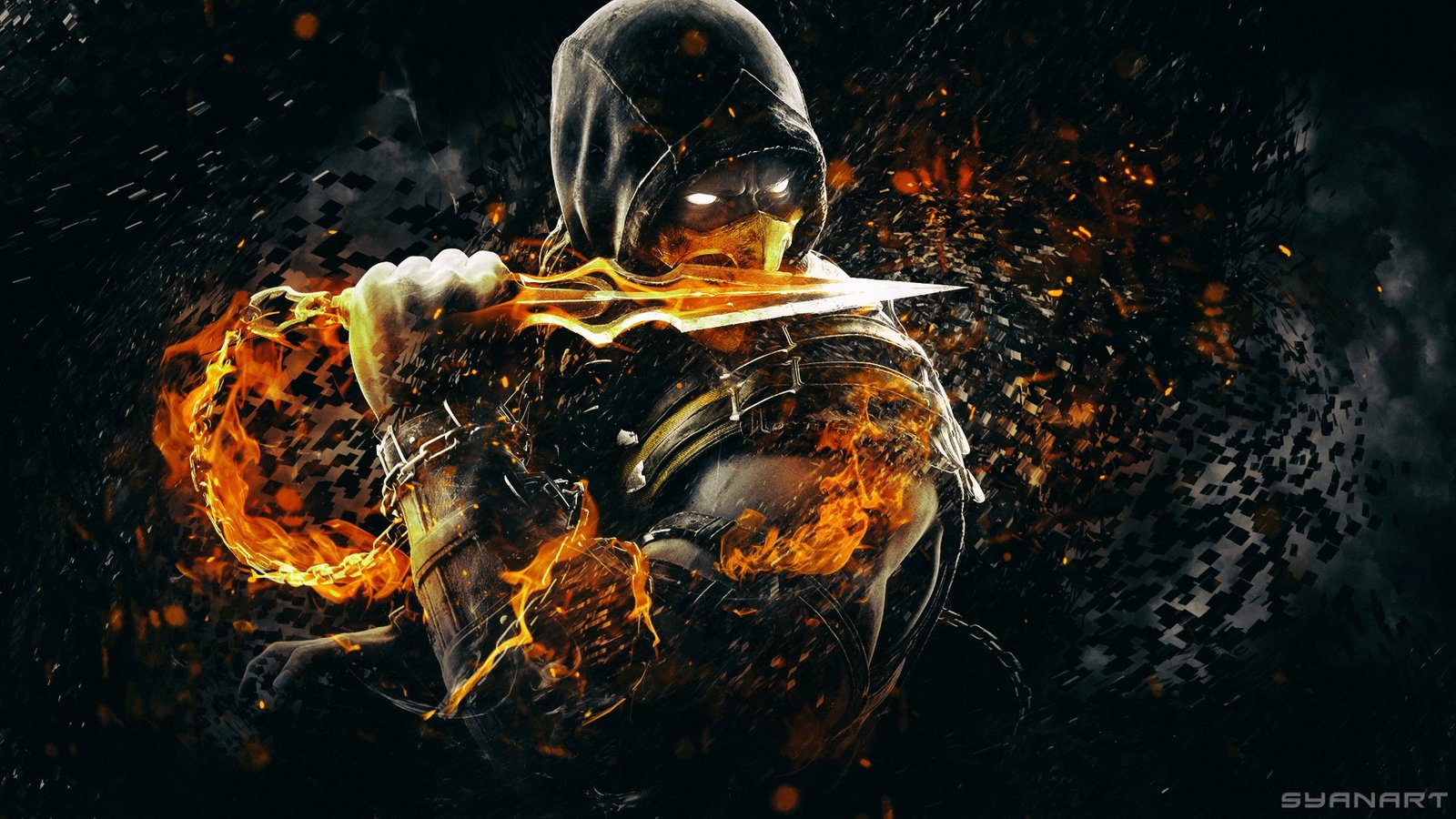
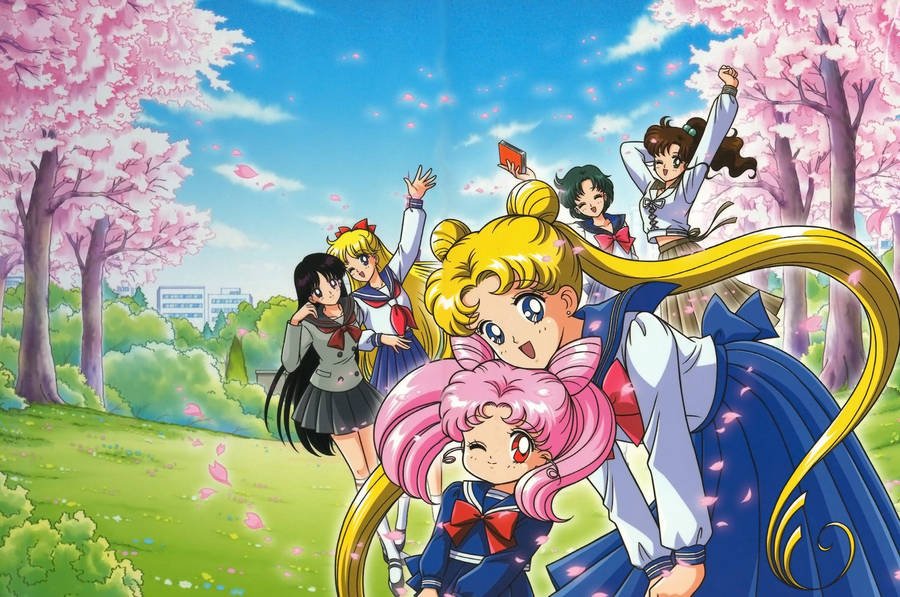
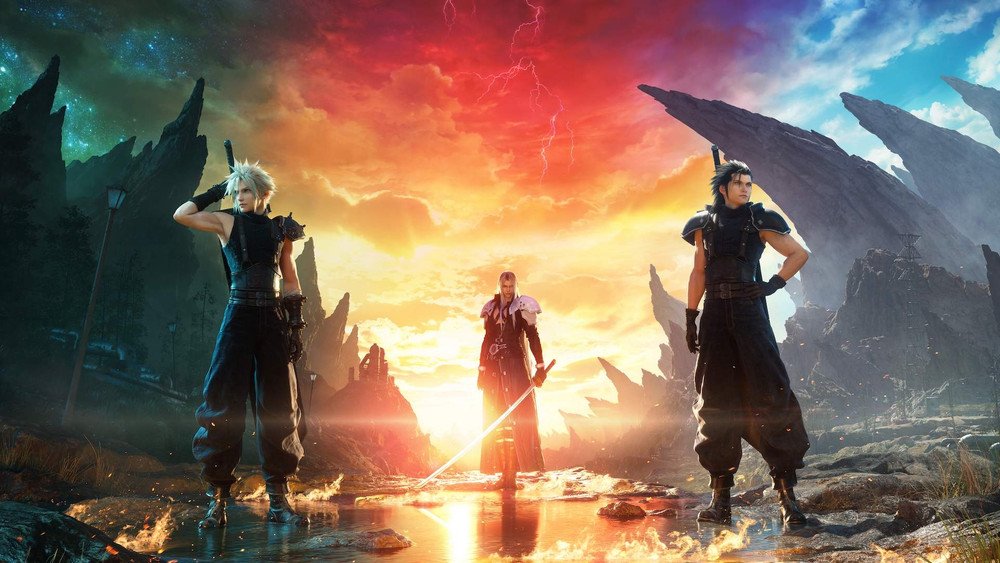
Wind scraped the color from the world, leaving only steel and stormlight. Across the churned mud of the killing field, banners hung like broken oaths, and the air tasted of iron and rain. She came on the wind—small as a whisper, sharp as a verdict—leaping from the wreck of a siege tower with her blade angled for a heart she had sworn to find. Around her, an army staggered and roared, but the sky narrowed to a single path cut through smoke and arrows.
He waited in that path, a mountain wrapped in scars and chain, hefting a jagged spear as if it were a second spine. The ground trembled with his step; the stories said it always did. When their shadows met, the world held its breath: a falling star and an unmovable night. No gods answered here. The only law was reach and resolve, the only prayer the breath you could steal while the other bled.
I have followed many wars and learned this: mercy is a word for survivors, and today had no room for survivors. The first swing would choose which history endured and which name would be carried in curses. So the wind screamed, the clash rang out like a cracked bell, and the last saga of a dying age began where two blades crossed and neither heart remembered how to yield.
The cut
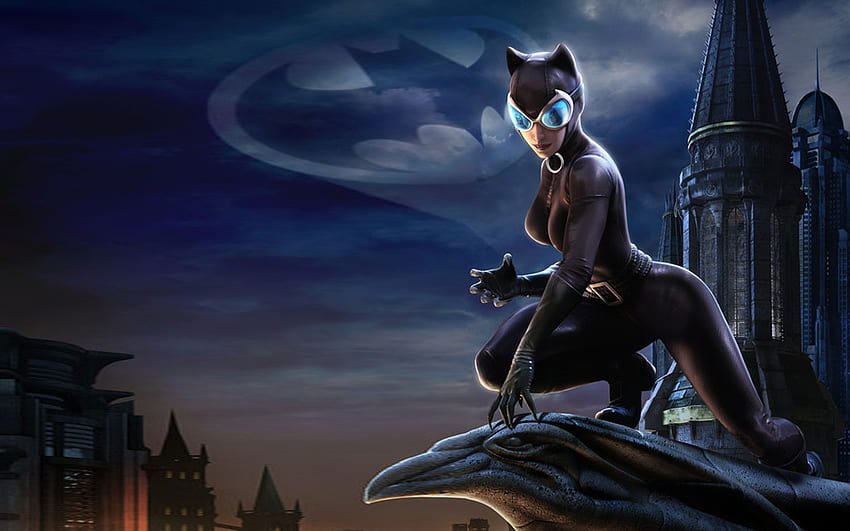
They said the sky would seal itself when the last tower kissed the stars, but the city only sharpened its edges against the dark. Night breathed like a tide over glass spires, and in that hush she descended—wings rimmed in ash and dawn, armor catching constellations like stray embers. Her blade was not raised for war, but for definition, a bright line drawn where heaven had blurred into hunger. The first sound was the whisper of feathers; the second, a note of metal that remembered thunder.
Long ago a promise had been sewn between worlds, a seam of oath and silence. It held until grief learned to speak, and its first word was a name she could no longer bear. The wound it opened became a corridor through which shadows bargained and saints forgot their prices. They call that wound The Cut, and it is both path and verdict, widening with every unkept vow.
Tonight she stands at its lip, anointed not by temple oil but by the dust of fallen satellites. Blue charms tremble along the hilt as if they can sense the choice waiting in her grip. If the blade falls, the city will finally know where it ends and where the stars begin. If it does not, the seam will keep unspooling, and all our maps will be made of mourning.
High school
The last night before everything changes smells like smoke and bubblegum. Cardboard shields gleam with duct-tape sigils, a floppy blue hat bears a sewn-on star, and wooden swords knock together like nervous teeth as five friends form a crooked line across a street of flickering shadows. The town is a stage of burnt-orange light and bravado, and they stand costumed at its center, determined to turn fear into lore. If the world insists on going up in flames, then they’ll crown themselves heroes and walk through it anyway.
They’ve named every alley a kingdom, every cul-de-sac a border, and drawn a crayon map that curls at the edges in the heat. The wizard taps a staff against the asphalt and speaks in rules they’ve written for themselves; the knight adjusts a plastic helm; the healer tucks a bandage roll like a sacred scroll. Somewhere far ahead waits a building with lockers the size of sarcophagi and bells that toll like iron verdicts. Tonight, though, the bells are only wind chimes tangled with ash, and the verdict is theirs to delay.
Tomorrow they’ll trade capes for schedules, quests for quizzes, and summer’s invincible glow for fluorescent hallways that smell like pencil shavings and rain-soaked denim. But for a few more breaths, they are infinite—smoke-kissed silhouettes, brave because they have decided to be. When they finally step off the cracked line and into the blaze of what comes next, they carry the one magic that matters: a promise, sworn at the edge of childhood, that none of them will cross into high school alone.
Apple of my eyes
Deep beneath the stone-veined world, there hangs a garden no sun has touched: roots like chandeliers, stalactites like thorns, and at its heart a single, perfect fruit—an orb grown from a god’s first tear. They named it the Apple of my eyes, for it does not nourish the body, but vision itself. It ripens on memory and longing, reflects the future in a sheen of dawnlight, and when it is plucked, it chooses whom the world will truly see, and whom it will forget.
On the night the Apple glowed brightest, a company reached its bower: a dwarf with a blade as stubborn as his vow, a trembling sellsword who had sworn courage for coin and found the cost too dear, and a priestess whose staff held galaxies in a cage of gold. From the opposite shadow came the Underdark’s heirs—pale knights with armor like moonlit ash—and behind them the gargoyled maw of a horned dragon, more curse than creature, its breath the reek of extinguished stars. Between both hosts, the Apple’s light widened like an opening eye, seeing all oaths, all envies, all hidden soft places we call love.
It watched the priestess trace the name of a lost child in the air. It watched the dwarf remember a brother turned to stone. It watched the ash-white bladesmen dream of a surface sky they would conquer or burn. The dragon’s hunger was the simplest of all: to bite the Apple and darken every gaze forever. Steel rose, spells hummed, and the orchard of stone grew still enough to hear a heartbeat. When the first hand reached across that light, the Apple chose to show us everything that would follow—and to ask who among us deserved to hold the world’s sight and call it dear.
Cinnamon
They said the world only changes when the air tastes of cinnamon—warm at first, then burning at the back of the throat. That night the scent rose from the skyroots themselves, from living bridges corkscrewing through a cathedral of leaves. Light poured in narrow spears, dust glittered like ground spice, and five shadows gathered where the branches braided into a road no map had dared to draw.
They were a clatter of contradictions: a chain-dancer with laughter sharp as links; a quiet blade wrapped in dusk-violet sashes; a small hooded binder whose charms clicked like teeth; a wall of steel bearing an azure shield etched with a moon’s curl; and a swordsman whose edge burned as if a sunrise had been hammered thin. None shared a banner, only a rumor—that the Cinnamon Seal, an old sweetness laid over an older wound, was cracking somewhere in the heights of this labyrinth-grown forest.
When the wind shifted, the trees whispered stories of the first binding, of sap and oath and a name salted away in fragrant bark. The scent thickened; the path curled tighter; and each of them, for reasons they kept hidden like scars, stepped forward. What woke here would not be sweet for long, but the world had chosen its taste-tasters, and the cinnamon heat on their tongues was the promise that the tale, at last, was ready to begin.
Phantom
Dawn seeped into the marsh like breath through a veil, and the old trees bent their limbs to listen. A hooded figure nested in the crook of a storm-broken trunk, cloak drinking the fog, bow drawn to a silver whisper. Etched bracers caught the thin light, and a red scarf marked the only wound of color in a world of green hush. They had been given many names by those who saw only a silhouette in the mist; the one that stuck was the one the fen itself seemed to murmur—Phantom.
This was the borderland where empires came to misplace their secrets. Tracks dissolved in wet loam, oaths in the croak of frogs, and the rushes flowed with half-heard truths. From that perch, the watcher measured breaths, waiting for a stir among the distant birches: a courier’s careless splash, a hunter’s impatient twig-snap, the tremor of a rumor daring to take form. The bowstring thrummed once in testing, a low note that taught the silence how to keep still.
Before the mask and the hood, there had been a name warm on other tongues, a small fire under a thatch roof, a life that did not require shadows to speak. Tyrants taught the rest, and the fen kept the lessons. Now the Phantom watched not for prey but for the moment a story could be rewritten with feather and ash. When the first arrow flew, it would stitch a new seam into the morning—and somewhere beyond the fog, a kingdom would discover that its most dangerous enemy was the space its own cruelty had left behind.
Regret
On a table the color of old wounds, the night has laid its banquet: figs yawning open, pomegranates spilling rubies, an apple gnawed to its spine, a plate of small bones, a yolk blinking from shattered glass. Between two pale faces a blue-black serpent loops like ink, and bubbles drift through the hush as if time itself were holding its breath. Their hair tangles with blossoms and moth-wings; their throats bloom with faint, flower-shaped bruises that no one will claim.
I was there when the question was asked—the one that tasted of honeyed certainty and salt. We bartered innocence for an answer, and the answer arrived disguised as fruit: sweet at first bite, bitter in the swallow. One of them chose the petal, the other the seed; both chose the knife hidden in the rind. The serpent only kept our promise, circling our words until they could not flee.
Now the feast is after the hunger, and what remains glittering on the cloth are the small, unspooled hours in which regret learns to speak. It counts the seeds, rehearses the names, polishes the shards for a mirror no one wants to face. When the bubbles burst and the silence thins, the story will begin—not with thunder, but with the soft sound of teeth deciding, once more, what must be bitten and what must be spared.
Last lay
At the hush-hour when petals drift like slow snow, she rested on the ring of mushrooms, gown the color of river sky, wings catching honeyed light. A clock of old rings stared from the stump before her, as if the tree still kept time for those who could not. Gears inked along her forearm ticked without sound, a vow etched in skin: when the wood’s voice thinned to a whisper, she would be the one to sing it home. Butterflies idled in the warm air, couriers of a court already fading. The grove listened with the ache of last things.
They called it the lay—the song that folds a season closed, smoothing every bright edge into dream. Each age required a singer, and every singer paid; the melody asked for a memory, a name, or the hush of wings. She had never decided which she could spare. Petals fell as minutes, and the stump’s spiral marked a narrowing path, every ring a doorway closing. Even the mushrooms beneath her pulsed like lanterns singing their tiny harmonies of good-bye.
But she was born in a century of splinters, where iron had kissed bark and left scars; the grove wore its wound openly, and silence would not heal it. So she bent, set her bare foot to the moss, and chose a different kind of ending: a last lay not to shut the world, but to wake it to its own grief and wonder. When her first note rose—thin, bright, brave—the trees leaned nearer, the water drew tight as glass, and distant things that had forgotten how to listen turned their heads. The night that follows will decide what remains.
Can you see me
Night sifted down like pale ash over the edge of the wood, and the air was thick with drifting lights that were not quite snow. She stood where reflection met shadow—a figure woven of moonwater and breath, silver hair threaded with small blossoms, ears like fragile leaves cupping the dark. Her eyes held the color of cold fire and the ache of an old promise. Anyone passing would have sworn the clearing was empty, yet the clearing watched back, waiting.
She had been the whisper in lullabies and the warning in doorframes: look twice, or you will miss the world that breathes beside your own. Long ago children saw her easily; now even poets look away. Her question is not vanity but a key: “Can you see me?” If you answer from hunger, she becomes a trick of light; answer from truth, and the veil thins. To behold her is to remember what you were before forgetting became survival.
Tonight, someone lifts their gaze and does not flinch. The motes turn like constellations as her lips part, and the path between your days and her dusk uncoils. The old guardians are stirring, and so are the hunters who feed on notice. Whether you speak or stay silent will tilt more than your future; for the moment you see her, every other hidden thing will see you too—and the story of what you do with that seeing begins now.
Can you see me
Night sifted down like pale ash over the edge of the wood, and the air was thick with drifting lights that were not quite snow. She stood where reflection met shadow—a figure woven of moonwater and breath, silver hair threaded with small blossoms, ears like fragile leaves cupping the dark. Her eyes held the color of cold fire and the ache of an old promise. Anyone passing would have sworn the clearing was empty, yet the clearing watched back, waiting.
She had been the whisper in lullabies and the warning in doorframes: look twice, or you will miss the world that breathes beside your own. Long ago children saw her easily; now even poets look away. Her question is not vanity but a key: “Can you see me?” If you answer from hunger, she becomes a trick of light; answer from truth, and the veil thins. To behold her is to remember what you were before forgetting became survival.
Tonight, someone lifts their gaze and does not flinch. The motes turn like constellations as her lips part, and the path between your days and her dusk uncoils. The old guardians are stirring, and so are the hunters who feed on notice. Whether you speak or stay silent will tilt more than your future; for the moment you see her, every other hidden thing will see you too—and the story of what you do with that seeing begins now.
Can you see me
Night sifted down like pale ash over the edge of the wood, and the air was thick with drifting lights that were not quite snow. She stood where reflection met shadow—a figure woven of moonwater and breath, silver hair threaded with small blossoms, ears like fragile leaves cupping the dark. Her eyes held the color of cold fire and the ache of an old promise. Anyone passing would have sworn the clearing was empty, yet the clearing watched back, waiting.
She had been the whisper in lullabies and the warning in doorframes: look twice, or you will miss the world that breathes beside your own. Long ago children saw her easily; now even poets look away. Her question is not vanity but a key: “Can you see me?” If you answer from hunger, she becomes a trick of light; answer from truth, and the veil thins. To behold her is to remember what you were before forgetting became survival.
Tonight, someone lifts their gaze and does not flinch. The motes turn like constellations as her lips part, and the path between your days and her dusk uncoils. The old guardians are stirring, and so are the hunters who feed on notice. Whether you speak or stay silent will tilt more than your future; for the moment you see her, every other hidden thing will see you too—and the story of what you do with that seeing begins now.
Panick attacks
The night yawns into a cathedral of absence, columns rising like verdicts while a single orb of light stitches a timid seam through the dark. She moves along the wall, dress whispering, breath a metronome for the shadows. Dust hangs like drowned constellations in the glow, and the vast silence feels less like emptiness and more like a lung holding its breath.
They say Panick is a feeling, but they are wrong—Panick is a place. It keeps accounts in soot and echo, tallying each heartbeat that dares cross its threshold. The attacks begin as tremors: a shiver in the flame, a curl of cold at the nape, the uncanny way the archways watch without eyes. Then the corridors lean while you blink, footfalls answer your own, and the light seems to think twice about being light at all.
I will not guide, only witness, speaking from the seam where glow meets void. Tonight the orb will touch an old inscription scratched by a shaking hand, and memory will lift like a flock of locked doors. When the circle of light flickers and the room leans closer, you will understand the words carved above the unseen threshold: step into Panick, and it attacks.
An episode
Rain stitched the dusk into a single, trembling veil, and beneath it she stood, crowned in a lattice of iron and memory. Arrows hummed soft hymns where they nested in her shadows, their fletching blurred by the downpour, their wounds singing light instead of blood. She lifted her face to the storm as if to greet an old companion, lashes jeweled with the sky’s cold tears, lips parted to sip the breath of the world that had once driven her to silence.
In that glade where the trees bowed like penitents, something emerald woke behind her—petals of strange radiance unfolding from the ruin clinging to her back, mossed armor whispering the histories of a forgotten court. The forest watched, reverent and still, as the night brought her the smallest mercy: a hush deep enough to hear the murmur of her own pulse, counting time not in days, but in fragments—scratches, splinters, starlit motes caught in dark hair.
This is only an episode, the storm seemed to say—one gleaming shard in the mirror of a longer tale. Yet it was enough. In a breath, names might return, oaths might wake, and the green fire might choose to bloom or burn. She would carry this moment like a blade sheathed in rain: a brief, precise cut in the fabric of fate, opening just wide enough for tomorrow to slip through.
An episode
Rain stitched the dusk into a single, trembling veil, and beneath it she stood, crowned in a lattice of iron and memory. Arrows hummed soft hymns where they nested in her shadows, their fletching blurred by the downpour, their wounds singing light instead of blood. She lifted her face to the storm as if to greet an old companion, lashes jeweled with the sky’s cold tears, lips parted to sip the breath of the world that had once driven her to silence.
In that glade where the trees bowed like penitents, something emerald woke behind her—petals of strange radiance unfolding from the ruin clinging to her back, mossed armor whispering the histories of a forgotten court. The forest watched, reverent and still, as the night brought her the smallest mercy: a hush deep enough to hear the murmur of her own pulse, counting time not in days, but in fragments—scratches, splinters, starlit motes caught in dark hair.
This is only an episode, the storm seemed to say—one gleaming shard in the mirror of a longer tale. Yet it was enough. In a breath, names might return, oaths might wake, and the green fire might choose to bloom or burn. She would carry this moment like a blade sheathed in rain: a brief, precise cut in the fabric of fate, opening just wide enough for tomorrow to slip through.
Wonderful world
Beneath a lilac moon rimmed in frostlight, she stepped from the hush between constellations. Her hair streamed like a slow comet, her wings fanned from white into violet dusk, and the night bent around her as if remembering an old song. Armor stitched with autumn gold caught the starlight—tokens of vows older than the first shoreline. The world below—oceans dreaming, forests murmuring—waited, unsure whether to hold its breath or sing.
They once named this place Wonderful not as praise but as a promise: to tend every impossible thing that dared to bloom. Aurelia had guarded that promise at the threshold, mending torn auroras and shepherding wishes that fell like rain. But lately the wonders had begun to thin—colors unlearning their names, cities forgetting their rivers, children waking without the echo of their first dreams. A quiet storm rose in the spaces where marvel should have been, and even the moon wore a hairline crack of silence.
So she chose to descend, trading altitude for heartbeat. A gloved hand reached toward the sleeping land, and a single feather spun down like winter’s first snow. She would walk among us, counting miracles aloud so they could not be taken, and stitch the world back to its own astonishment. By dawn, the horizon would carry her shadow—and the promise would ask to be kept again.
Business proposal
Dusk draped the cliff-city in lavender, the terraces glowing like lanterns carved into a mountain of gardens. Far beyond the balustrade, ringed moons and quiet pyramids drifted through the sky as if they were shares sliding across a board no one fully owned. On the brink stood Ilyra, skirt tugged by the wind, memorizing numbers that tasted of salt and ozone. Below, a billion lights stitched the world into a ledger; above, the heavens waited for a signature.
Her pitch was simple, audacious: lease the winds themselves. Map the migratory currents that ferried the floating archipelagos, anchor markets to their routes, sell delivery in days instead of seasons, and harvest dew from the passing moons to feed the cliffside gardens. The Terrace Consortium would gain a spine of airbound trade; the groundbound empires would have to buy passage—or be left behind. Success meant buying back her family’s name from the Mist Bank; failure meant handing that name over like collateral to be chiseled into the debt-wall forever.
Glass doors breathed warm light as she stepped from the ledge into the arcade, where trees murmured and fountains whispered the mathematics of risk. The Syndics waited inside, faces refracted in crystal panes, and beside them lounged a rival with a smile sharpened for quiet assassinations of ideas. On the threshold, someone had etched a tiny sigil only she would notice: trust the wind. Ilyra squared her shoulders, let the night fill her lungs, and raised her eyes to the drifting sky—as though the first contract she must secure was with the air itself.
Business proposal
Dusk draped the cliff-city in lavender, the terraces glowing like lanterns carved into a mountain of gardens. Far beyond the balustrade, ringed moons and quiet pyramids drifted through the sky as if they were shares sliding across a board no one fully owned. On the brink stood Ilyra, skirt tugged by the wind, memorizing numbers that tasted of salt and ozone. Below, a billion lights stitched the world into a ledger; above, the heavens waited for a signature.
Her pitch was simple, audacious: lease the winds themselves. Map the migratory currents that ferried the floating archipelagos, anchor markets to their routes, sell delivery in days instead of seasons, and harvest dew from the passing moons to feed the cliffside gardens. The Terrace Consortium would gain a spine of airbound trade; the groundbound empires would have to buy passage—or be left behind. Success meant buying back her family’s name from the Mist Bank; failure meant handing that name over like collateral to be chiseled into the debt-wall forever.
Glass doors breathed warm light as she stepped from the ledge into the arcade, where trees murmured and fountains whispered the mathematics of risk. The Syndics waited inside, faces refracted in crystal panes, and beside them lounged a rival with a smile sharpened for quiet assassinations of ideas. On the threshold, someone had etched a tiny sigil only she would notice: trust the wind. Ilyra squared her shoulders, let the night fill her lungs, and raised her eyes to the drifting sky—as though the first contract she must secure was with the air itself.
What makes us
They stood where the world forgets to breathe, on a green ledge above a sea of clouds, with birds stitching white threads across a blue so bright it could cut. One wore calm like a cloak, silver hair catching the light; the other carried dawn in his eyes and a blade at his hip, feather charms whispering with each shift of wind. Between them stretched a friendship older than their footprints and a question older than their names: what makes us who we are—our oaths, our origins, or the steps we dare to take?
Below, the lands dimmed at the edges, as if shadows were learning to speak. The scholar traced the air with thoughtful fingers, feeling for the patterns beneath the horizon’s gloss. The wanderer answered with a grin and a promise, a courage that sounded like laughter but settled like steel. Where one saw the hidden currents, the other broke the surface; where one guarded silence, the other called thunder. Together they were a ledger of contrasts, and the sky itself seemed to balance on their agreement to move forward.
They would descend soon—into valleys where old songs have teeth, into cities that trade in memory, into storms that confuse mercy with fear. There, titles would peel away, and legends would prove too small for the living. What makes us, they would learn, is not the power we carry or the past that claims us, but the choices we bruise into the world and the hands we refuse to let fall. With the clouds parting like a curtain and the path bright as a blade, they stepped, and the day inhaled their names.
My Name
At first light I came down on wings the color of struck gold, the sun a round shield hammered behind me. The scepter in my grasp remembered wars I do not, and the jewels at my breast thrummed like a second heart. In the newborn glare my reflection was a stranger with violet-shadowed eyes and a promise engraved in bone.
I have carried many names the way soldiers carry scars—given, stolen, traded for a cause that outlived its chorus. Mortals call me saint, blade, oathbreaker; angels dare not call me anything at all. Yet every title slides from me like rain from feathers, because none of them are the one that binds my story to the world.
Tonight, a voice far below speaks a syllable that almost fits, and the air ripples as if a door remembers the shape of its key. I lift the scepter, feel the old music stirring in its metal, and I descend to meet the speaker. When the final note is struck and the last feather settles, I will answer the question I have hunted across centuries: my name.
Aliens
On the violet marsh, where trees stand like drowned antennae and the castle broods behind mist, I poise my skiff among the lilies and listen. The candles hiss, the old books sweat riverwater, and beneath the gunwale pale hands rise, not to drag but to greet. They are dressed in our dead, but their eyes hold tidal charts for another sky. I press my palm to theirs and the water flickers with a color our moon has no name for.
They did not fall as stars; they arrived as echoes, finding vessels in the silted silence of the swamp. Each borrowed body stammers a grammar of tides and distances, and my magic is only a lantern for that language. Through ink and ash and the patient pulse of the reed beds, I have learned this much: they are looking for home, and our world is a shoreline that keeps shifting under their feet.
Tonight, the current brings a larger chorus. They point past me to the castle, to chambers where a buried engine dreams in rusted circles. If I guide them, the veil thins; if I deny them, the marsh will swallow its own moonlight. In the hush between frog calls, I choose to listen—because every stranger is an omen, and every omen is a door, and the door has begun to open.
Genie
When the moon rounds like a pearl and the night loosens its dark ribbon, she drifts into view—silk whispering, hair strung with frost-bright blossoms, a pale fan cupping the glow of a secret sun. Not a lamp-born spirit but a genie of breath and satin, she travels inside the hush between stars. Petals wheel about her like paper prayers, and every flutter carries a wish that refused to die.
Long ago she traded her name to become a vessel; now each trailing sash is a promise kept, each falling mote a promise broken. She courts the places where light pools—on river stone, window glass, the quiet of a sleepless room—and listens for the voice that trembles into asking. Her bargains are gentle as snowfall and sharp as dawn: three truths for a dream, three costs for a miracle, and a shadow to tally what the heart omits.
Tonight the moon is a silver door left ajar, and someone below is about to speak what they feared to want. I am the keeper of what follows, the scribe of threads and consequences. If a pale ribbon brushes your cheek, do not swat it away—answer it. For she is listening, and the sky is ready to open.
Pretty crazy
In the blue hush of the high waste, where the sun moved like a pale coin beneath gauze, she crouched beside the wolf who had never once lied. Runes glowed along their bodies—spiral on his brow, clean strokes across her face and forearms—a script the wind had taught the snow. Her hair streamed like a dark pennant over the drifts; his paws stitched quiet seams in the crusted frost. In warmer towns they had other names for them: revenant and omen, curse and warning. The mountains used truer titles: scout and partner.
The world had folded itself in mistranslated prayers when the tides of memory ran dry; paths no longer led where maps swore they would. Her marks were wayfinding debts—each line traded from a spirit, each symbol a door she could open only once. The wolf listened to ley-lines thrumming under ice and answered with a narrowing of eyes, and together they read the land like a stolen letter. Tonight the air tasted of iron and first thunder. Somewhere beyond the ridge a city was thawing, and with it the old catastrophe that had taught dawn to limp.
They would walk into it, not because they were brave, but because no one else would be—because the plan that had chosen them was, in every sense, pretty crazy. Cross the ruin, borrow the god sleeping beneath the glacier, return the sky its missing color—simple, impossible steps. The wolf flexed, the runes brightened, and the girl rose, breath fogging into glyphs the wind quickly hid. And as they moved, the snow began to remember their shapes.
Twelve
In the hush beneath the bramble arch, a green pool keeps the hours the way glass keeps breath. Autumn leaves hang like tired pages; dark berries bead along the vines like drops of spilled night. Beside the water rests a figure in a red dress cut like a drumbeat, lashes closed against the world, a narrow band at her throat stamped with a single numeral: XII. Around her, small trumpets sleep in the hem, vials of honeyed light tick against roots, and an open songbook floats, its notes unmoored and drifting toward the center where the serpent draws perfect circles.
I have been counting the falls. One pair of shoes, then another, legs tipping into the mirror as if the sky itself were learning to dive. Each splash erases a name and returns an echo—bottled, labeled, corked for safekeeping in the branches. There are said to be twelve selves of her scattered through the hours, twelve masks that the forest swallowed when the clock blinked and forgot its face. When the last returns, the red-sleeved dreamer will wake, and the music she lost will come back as a door.
Until then, I wait at the edge where thorn meets water, careful with the lantern of my voice, charting ripples like chapters. The next step belongs to you: choose a note from the drifting page, take a jar of captured daylight, and follow the ring the serpent leaves toward the middle. When the circle strikes its quiet, when the twelfth echo lands, we will speak her name together—and the story will open.